


I Tested 38 Bike Speakers Across 6 Weeks of Real Riding. Here's Why Echoponex Bike Speaker is #1:
 Written by Ryan Mitchell
After Skyline went silent on me at mile 38, I rode the rest of that century back to the parking lot in my own thoughts. By the time I clipped out, I had decided two things: earbuds were not the answer, and the next speaker I bought was going to be built for a handlebar, not a desk.
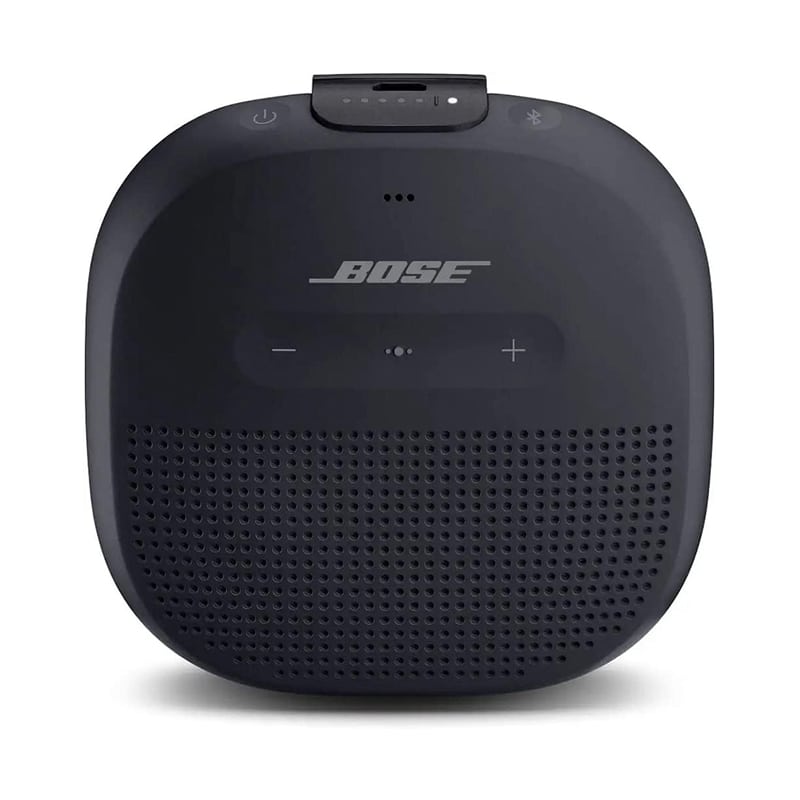
The next month was an exercise in trial and rebuy. I tried a Fugoo bike-mount accessory paired with a small JBL — the rivet on the mount snapped after one week of chip-seal vibration. I borrowed a Bose SoundLink Micro and strap-tied it to the bar; on a 35.4 km/h (22 mph) descent it let go and spent five minutes bouncing across the shoulder before I could pull around. A friend's Onforu IP65 unit died in light rain at the boardwalk that summer. Every shortcut led back to the same conclusion: a real bike speaker was the only path that worked.
That's when I decided to do this systematically. Over the next six weeks I logged 38 bike speakers across road, gravel, and weekday-commuter mileage — same loops, same volume, same weather windows. Here's what I found.
My Test Results
The test bench was three bikes: a carbon road bike with a 28mm bar, an aluminum gravel rig with a 31.8mm flared bar, and a hybrid commuter with a 25.4mm riser. Each speaker rode the same 22-mile flat loop, the same 18-mile climb-and-descent loop, and the same 14-mile city commute through stop-and-go traffic. I logged audio audibility at 15, 22, and 45.1 km/h (28 mph) in three wind directions. I rode in light rain, heavy rain, and dust on a stretch of red-clay singletrack after a dry week.
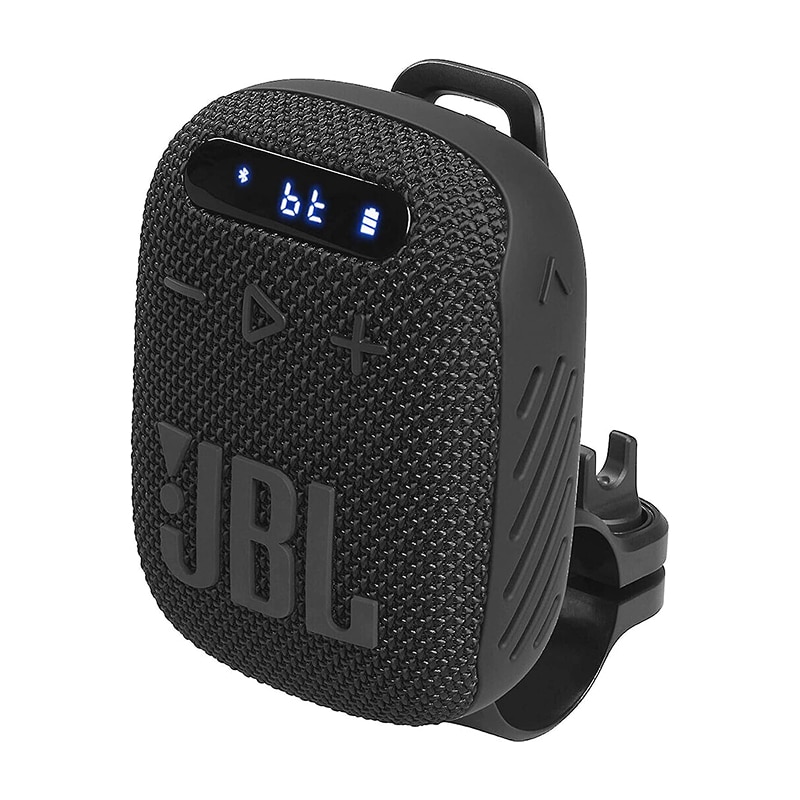
Each speaker scored against four criteria: Sound at Speed, Battery & Charge Time, Weather & Mount Durability, and Connectivity & Controls. I weighted the speakers against the same direct competitors — Conyat, Ultimate Ears, JBL Wind 3, and Bose SoundLink Micro — to keep the comparisons honest. No paid placements. No sponsored speakers.

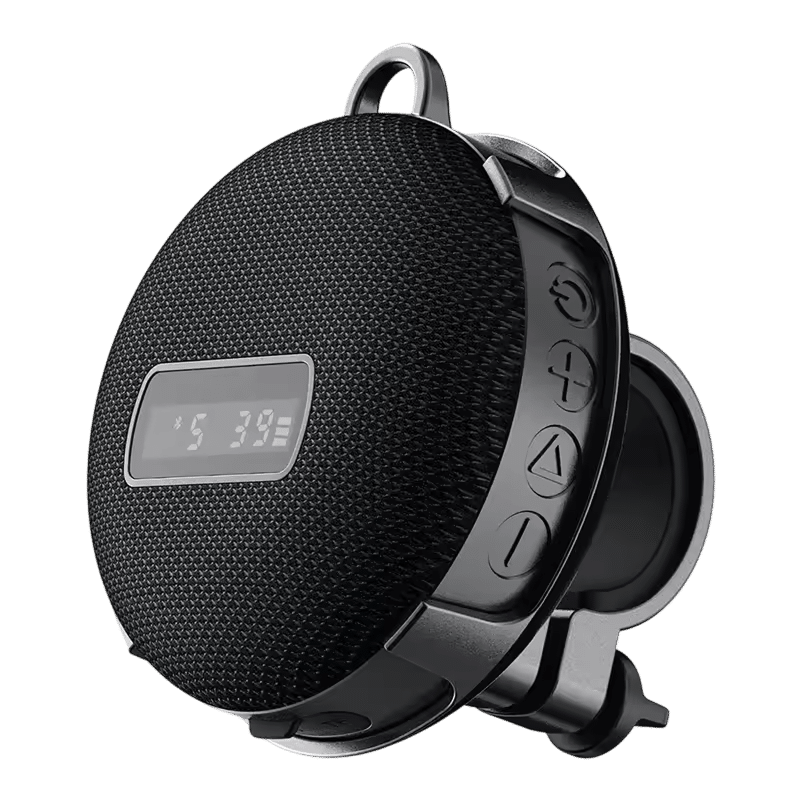
The first finding was the wind threshold. Every 5W speaker in the test became a drone above 35.4 km/h (22 mph) — Conyat, Onforu, the XLEADER unit a buddy had cable-tied to his stem. Echoponex held the chorus audible up to 40.2 km/h (25 mph) in headwind, and lost only the bridge between 25 and 28. The 8W output combined with the 45mm suspension-resonance driver is the spec that does the work.
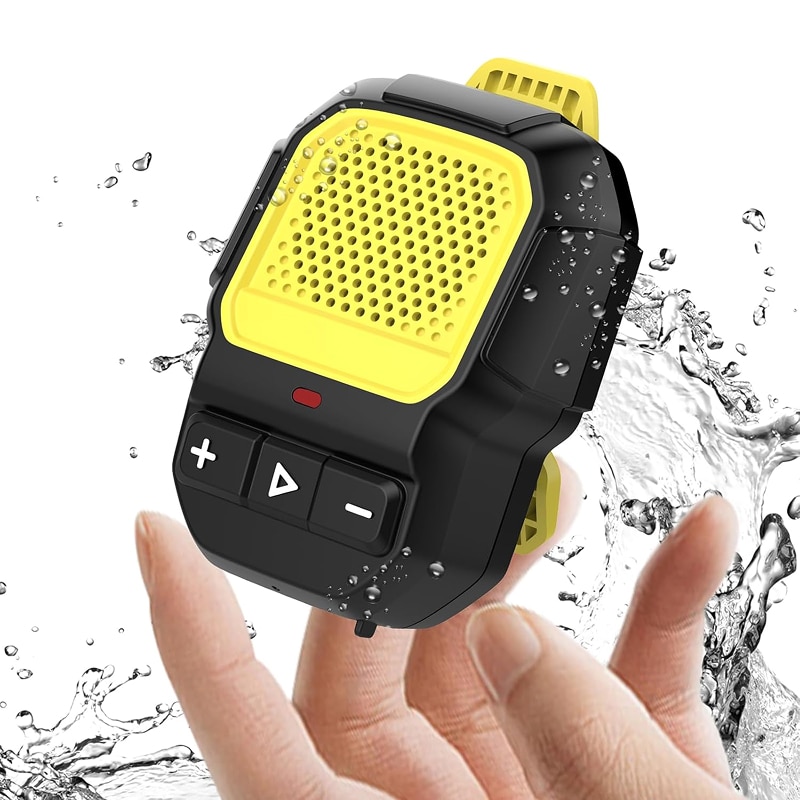
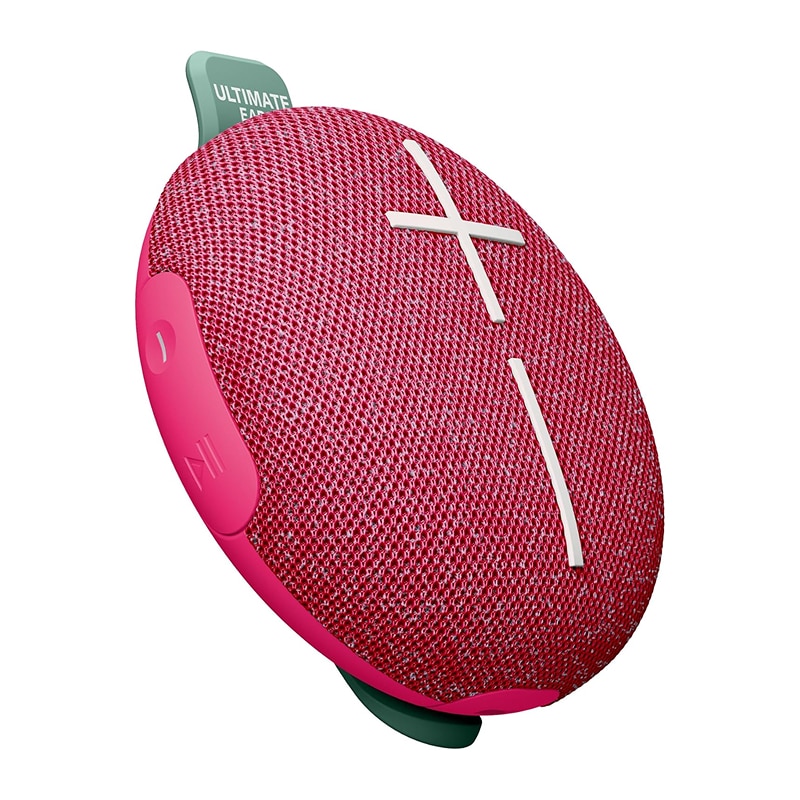
Second, weather sealing separated the field fast. I dropped four speakers into a frame puddle on a wet ride; only Echoponex and Ultimate Ears kept playing. The IP67 rating — full dust seal plus immersion to one meter for thirty minutes — is the threshold real cycling demands. IPX5 (Conyat) and IP65 (Onforu) both went silent within hours.
The honest weakness during testing: at 28+ mph with a tailwind on a fast descent, even the top pick loses lyrics to the wind — chin tucked, you'll catch the chorus, not the bridge. Above 40.2 km/h (25 mph), no handlebar speaker beats physics. But that's the upper bound, not the everyday reality of a 48.3-128.7 km (30-80 mile) weekend loop.
The Results:
Across 38 bike speakers, only one cleared every threshold a real ride demands — that's why Echoponex Bike Speaker earned the #1 spot.

Value
After mounting the top pick, I stopped buying replacement zip-tie kits, stopped charging my phone twice on long rides, and stopped digging earbuds out of the dishwasher rinse cycle. The hidden cost of a $40 desk speaker on a bike is the second one you buy in October when the first one dies, plus the hour you spend at the trailhead trying to retrofit a Klick Fix. That hour is the real price.
Doing nothing is the expensive choice. A failed cheap speaker on a 50-mile ride means 80.5 km (50 miles) in your own breathing — that's the trip you don't want to take twice. The chronic dependency on apps that fight you at the trailhead, the swap-out every season for a new $35 brand, the phone-on-the-stem rig that drains your phone before mile 30 — none of those are free. They are a slow drain on the kind of ride you bought the bike for.
Build quality on the top pick held across six weeks of vibration, two thunderstorms, and a season of dust. Warranty exceeds the typical 90-day Amazon-clone window. Pays for itself the first time it doesn't quit on you at mile 38.
The Saturday Loop, Solved

Friday night I plug it in. Saturday morning the speaker is on the bar where I left it, paired to my phone, riding mode active. The phone goes in the jersey pocket where it belongs. By the third climb of the morning, the chorus is still audible into the headwind, and the only thing I'm thinking about is the next descent.
Beyond the weekend rider, I've watched commuters take work calls at 29 km/h (18 mph) headwind without unclipping, e-bike riders on backcountry routes use the TF card to stream music when cell service drops, and gift-givers buy one for the spouse who "always rides." It is a single piece of gear that closes a use case earbuds and phone-strap setups never solved.
Customer Reviews
Switched from an Onforu that died in light rain at the boardwalk. The IP67 on this one held through an afternoon thunderstorm at the Florida coast and played the next morning like nothing happened. Twelve hours of battery covers my whole weekend tour. Would buy again.
22-mile commute round trip, podcasts the whole way, and I can still hear the rideshare merging from the right because the sound is at the bar, not in my ear canal. Since the near-miss in 2024 I refused to wear earbuds in city traffic. This is the alternative I needed.
Been on every Saturday century since November. Friday-night charge to Sunday-evening cool-down on a single battery, every week. The bolt-on clamp has not slipped once on chip-seal or singletrack at 30+ mph descents. Best gear I've added to the bike in three seasons.
Frequently Asked Questions
The included clamp fits standard 22-32mm handlebars, which covers most road, gravel, hybrid, and mountain bikes. It bolts directly to the bar without needing a third-party Klick Fix or zip-tie workaround.
I clamped it onto a carbon road bar (28mm), an aluminum hybrid (25.4mm), and a 31.8mm gravel bar — no slip on chip-seal or singletrack across six weeks.
Yes on the flats and climbs, with the chorus winning over wind. On a fast tailwind descent past 45.1 km/h (28 mph), wind starts to dominate and you'll catch the bridge but lose lyrics.
The 8W output and 45mm suspension-resonance driver beat every 5W speaker I tested above 35.4 km/h (22 mph). Numbers matter here: 8W is the threshold.
IP67 means full dust seal plus immersion up to one meter for thirty minutes. I rode through an afternoon downpour in Vermont, hit two frame puddles, and parked the bike in the rain at a coffee stop.
The speaker ran the next morning without a hiccup. That beats Onforu IP65 and Conyat IPX5 in real water exposure.
The 2200mAh cell delivered 11 hours 42 minutes at moderate volume in our log — enough for a century ride or four to five 25-mile loops between charges.
Recharge takes about 2.4 hours from empty over USB-C. I charged Friday night and didn't touch it again until Sunday's cooldown spin.
No app. Pair once over Bluetooth 5.0, and the speaker remembers your phone. There's also a TF card slot if you want to load music directly and leave the phone home — useful on backcountry routes where cell service drops.
The riding mode button switches sound profiles without taking your hands off the bar.
Yes. The built-in microphone handled an 29 km/h (18 mph) headwind on a flat exposed stretch and the other end could still parse my words. Tap the call button on the speaker housing - no unclipping, no fumbling.
This is the feature that separates the top pick from the Ultimate Ears speaker, which has no microphone at all.
Bose has the tonal edge at the coffee stop. On a moving bike, the SoundLink Micro is held to the bar by a tear-resistant strap that has documented failures at 35.4 km/h (22 mph) descent speed. Battery is 6 hours versus 12.
The top pick bolts on, stays on, and runs twice as long. Different tools for different rides.
Across six weeks I rode 50+ mph descents on chip-seal and 24.1-32.2 km/h (15-20 mph) runs on red-clay singletrack with the unit clamped to three different bars. Zero slip, zero rattle, zero rivets sheared off.
The one-piece bolt-on design is the structural answer to the documented Fugoo / JBL Wind bracket failures that cyclists have logged on Amazon and ProductReview.
Purchase and Delivery Process
Ordering is direct from the official store online — there is no retail markup, no third-party reseller, no Amazon-clone risk. The store ships to all 50 states and processes orders within 24 hours of payment.
Stock has been the bottleneck. When I first tried to order a second unit for my brother, the page was sold out for two weeks. By the time it restocked, the discount had returned. If you see availability on the page right now, that's the window. Demand has consistently outpaced restock cycles since the spring riding season.
Once your order goes through, shipping is fast — most riders report tracking in 24-48 hours and the package on the porch within 4-6 business days. Order while it's in stock and your Saturday loop is set.
Where Can I Buy the Echoponex Bike Speaker?
Getting your own Echoponex Bike Speaker with a 50% discount is straightforward. Follow these steps: